Robert Holland Jr. Award for Research and Leadership Excellence 2026 Recipient, Dr. Amy Mainzer!!
The Robert Holland Jr. Award (Holland Award) celebrates outstanding senior scientists dedicated to research excellence, creative teaching, and a deeply impactful mentorship style.
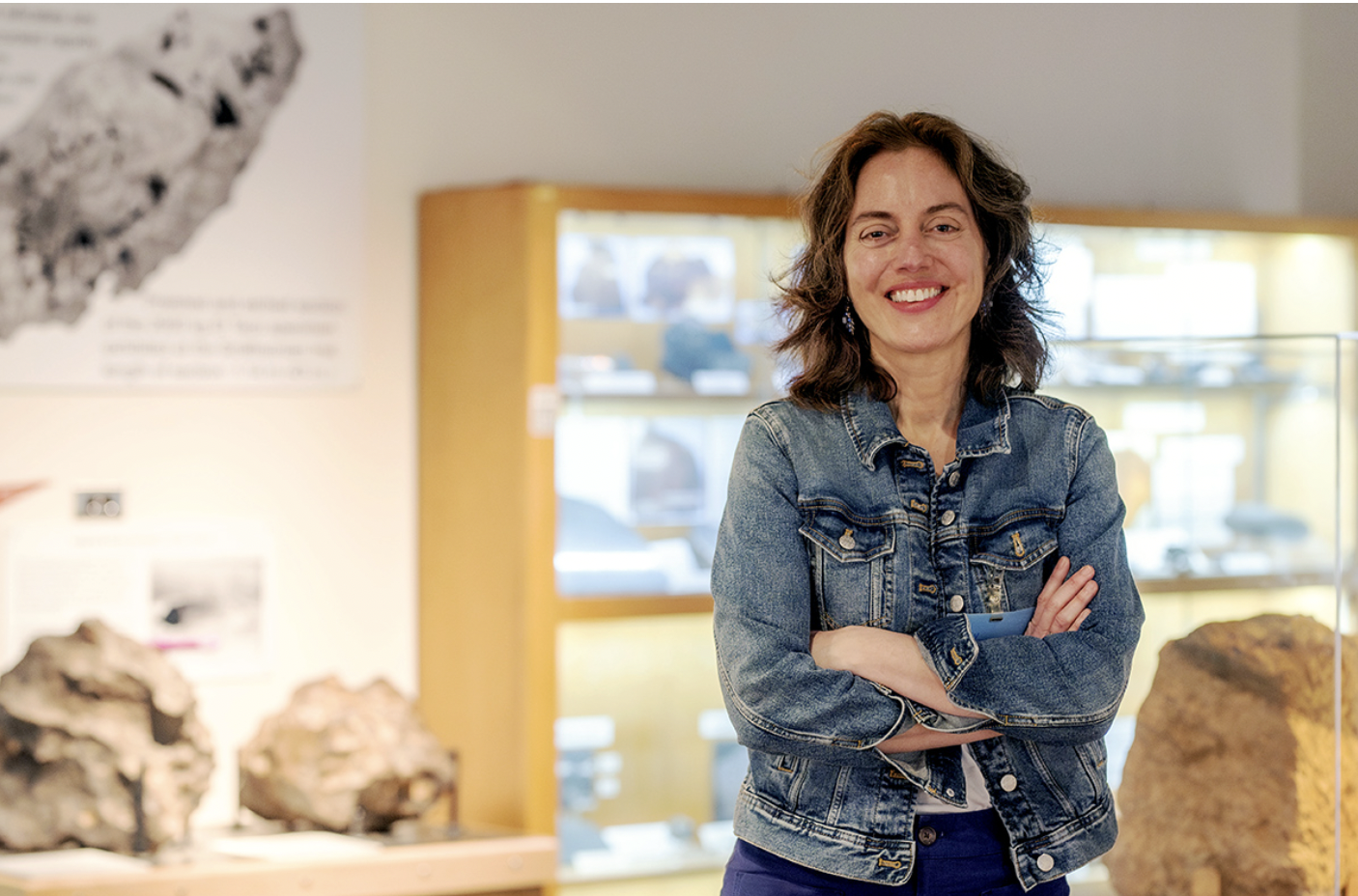
Dr. Amy Mainzer in the UCLA Meteorite Gallery
Dr. Amy Mainzer was chosen for the Robert Holland Jr. Award because she perfectly embodies the harmony of world-class research, pedagogical innovation, and transformative mentorship. Beyond her exceptional record as a planetary scientist and astrophysicist, Dr. Mainzer is an award-winning educator who actively utilizes inclusive and modern pedagogies to dismantle barriers in the classroom. Her deep commitment to serving as an empathetic, inclusive mentor ensures that every student has the tools to reach their full potential. Furthermore, her systemic leadership in initiatives dedicated to broadening participation and retention in STEM makes her a vital, powerful new voice. By welcoming Dr. Mainzer into the Cottrell Scholar Community, they enrich collaborative teams and conferences with a leader uniquely dedicated to shaping an equitable future for the scientific community.
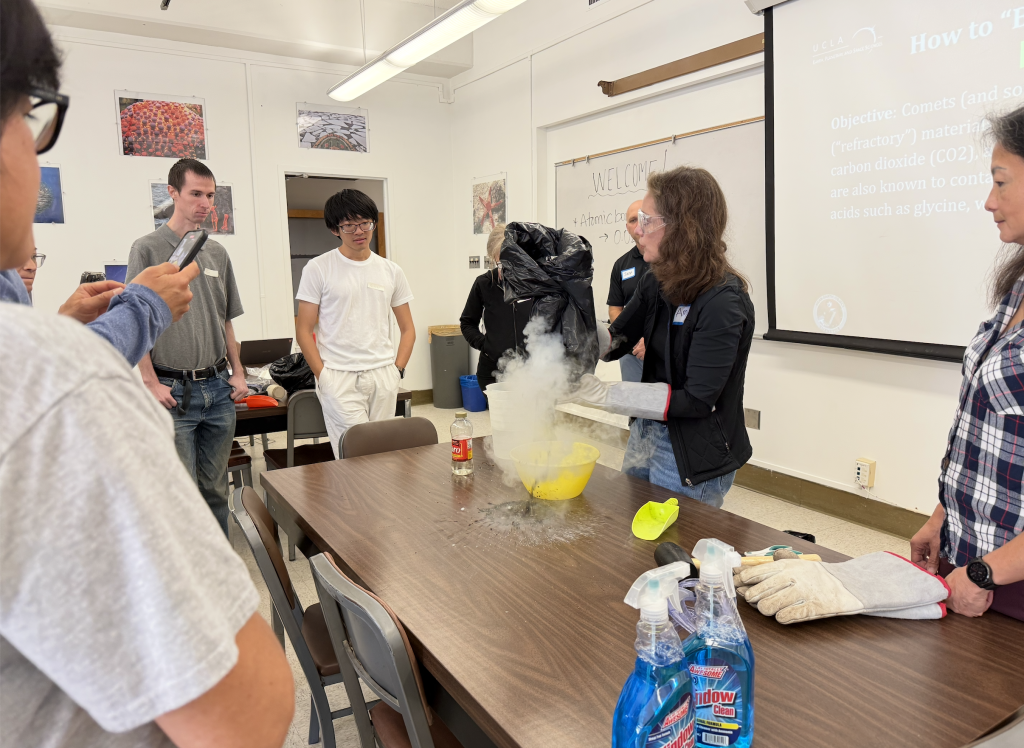
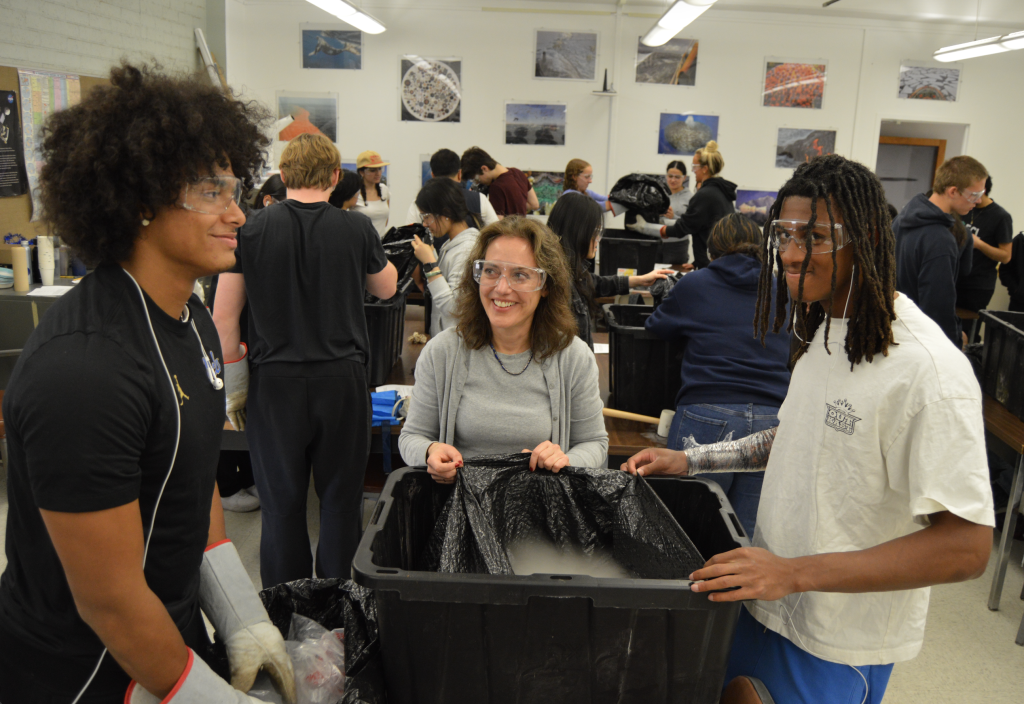
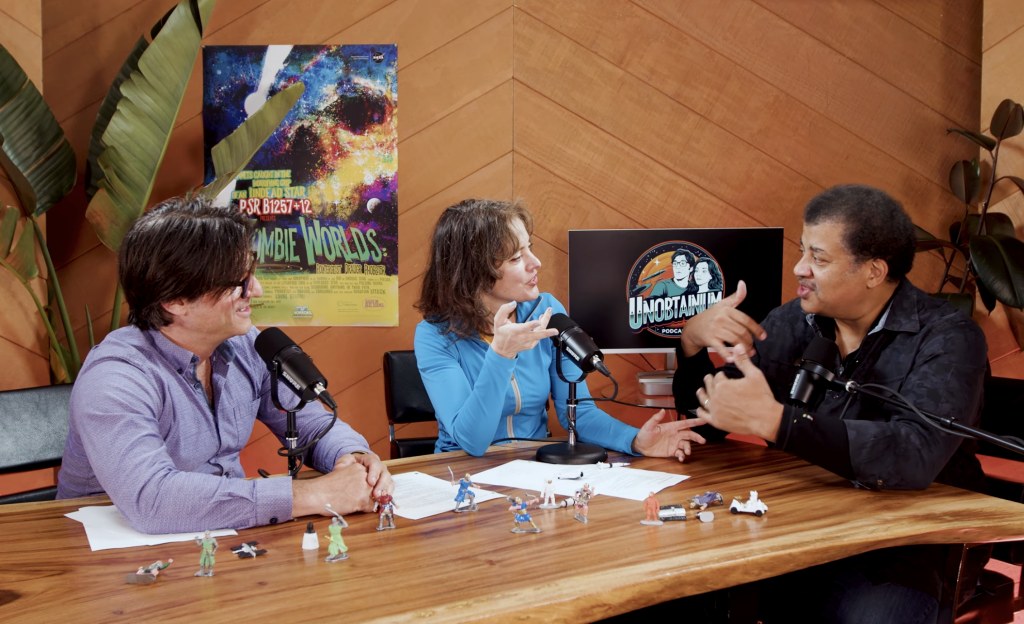
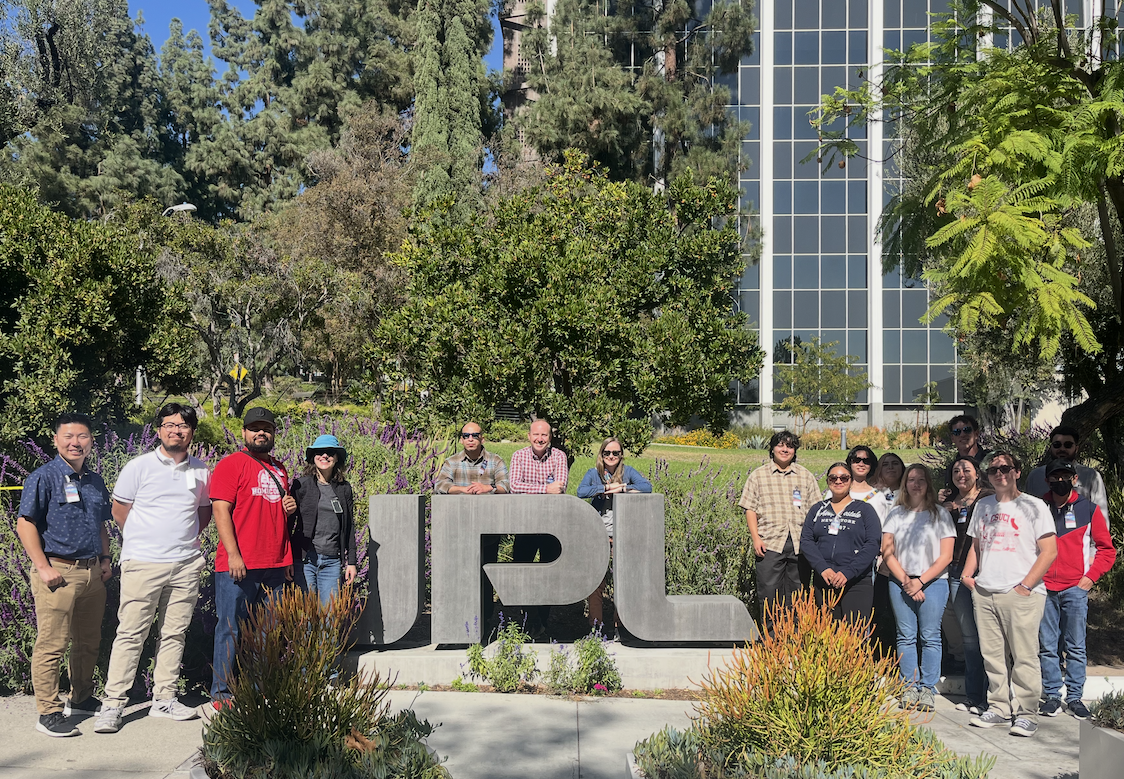
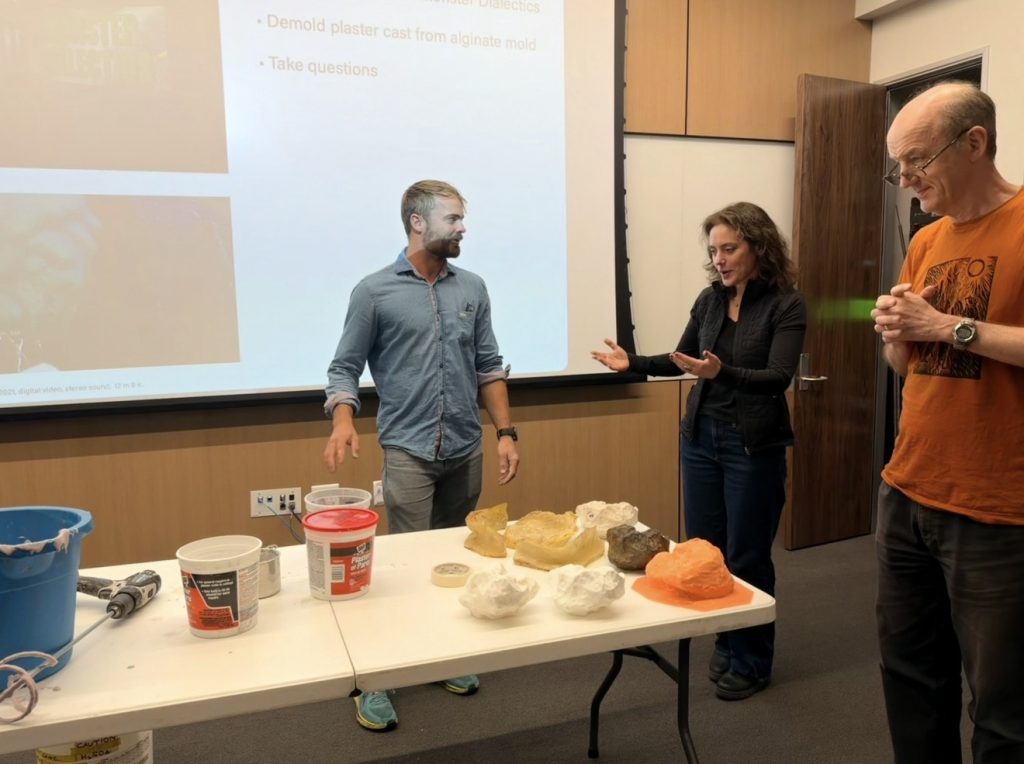
Dr. Amy Mainzer leading a “DIY comet” demonstration for LA County educators during a teacher-training workshopDr. Amy Mainzer teaching students from her EPSS 9 class how to build their own cometDr. Amy Mainzer discussing “The Force” with Neil deGrasse Tyson and cohost Adam Sigel on an episode of their Unobtainium podcast Here2Observe – CSU Channel Island student visit to JPL (Dr. Amy Mainzer (blue bucket hat) with NEO Surveyor scientists/engineersSwedish artist, Emmanuel Ross, discussing his art with Dr. Amy Mainzer and Dr. Dave Jewitt after his live plaster presentation at UCLA
Established in honor of the late Robert Holland Jr.—an engineer, corporate executive, and dedicated RCSA Board member from 1997–2010—the award welcomes recipients into the prestigious Cottrell Scholar community. Through this partnership, awardees bring diverse perspectives and innovative ideas to both the annual Cottrell Scholar Conference and active collaborative teams.
This year’s winners:
Amy Mainzer Astronomy University of California, Los Angeles
Jorge Colón Chemistry University of Puerto Rico, Río Piedras
Davita Watkins Chemistry Ohio State University
Congratulations, Amy!!! Well deserved!
What does it take to defend the planet? – Jr. Planetary Defenders Workshop
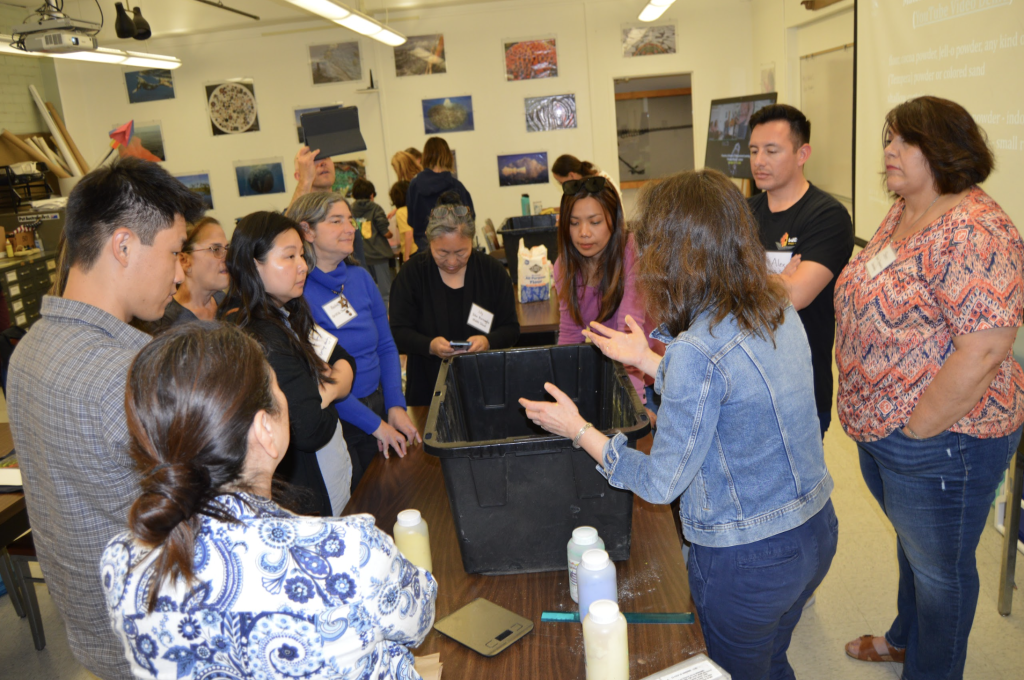
On Saturday, April 25th, 2026, K-12 educators from across Los Angeles County (and around the U.S., via our virtual option) gathered at UCLA to find out what it takes to defend the planet!
In an exciting collaboration between NASA’s Near-Earth Object Surveyor team and UCLA’s CenterX, we developed a dynamic teacher-training workshop dedicated to our K-12 educators with a focus on planetary defense, astronomy, and earth science. Teachers didn’t just sit and listen—they became the students, participating in scaffolded lectures and test-driving hands-on demonstrations designed to bring asteroid science straight into the classroom.
Thank you to all the brilliant educators who joined us to bring the universe a little closer to their students!
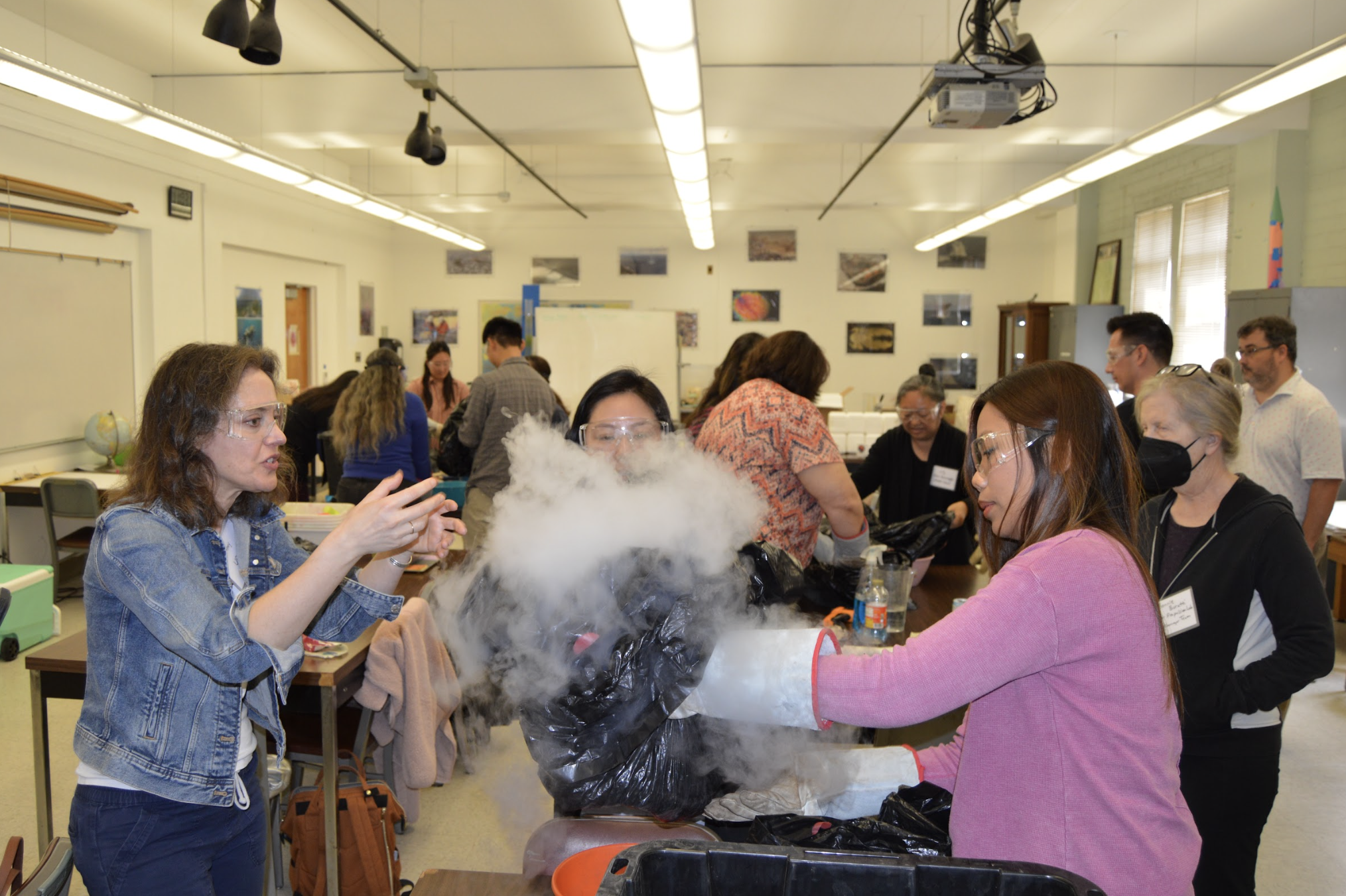
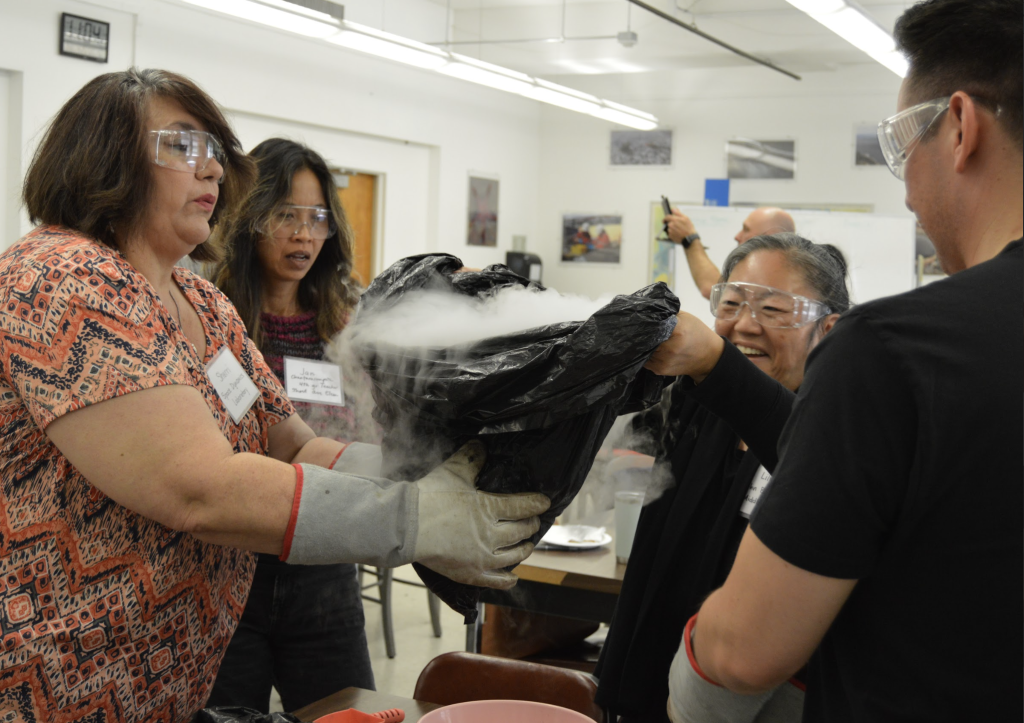
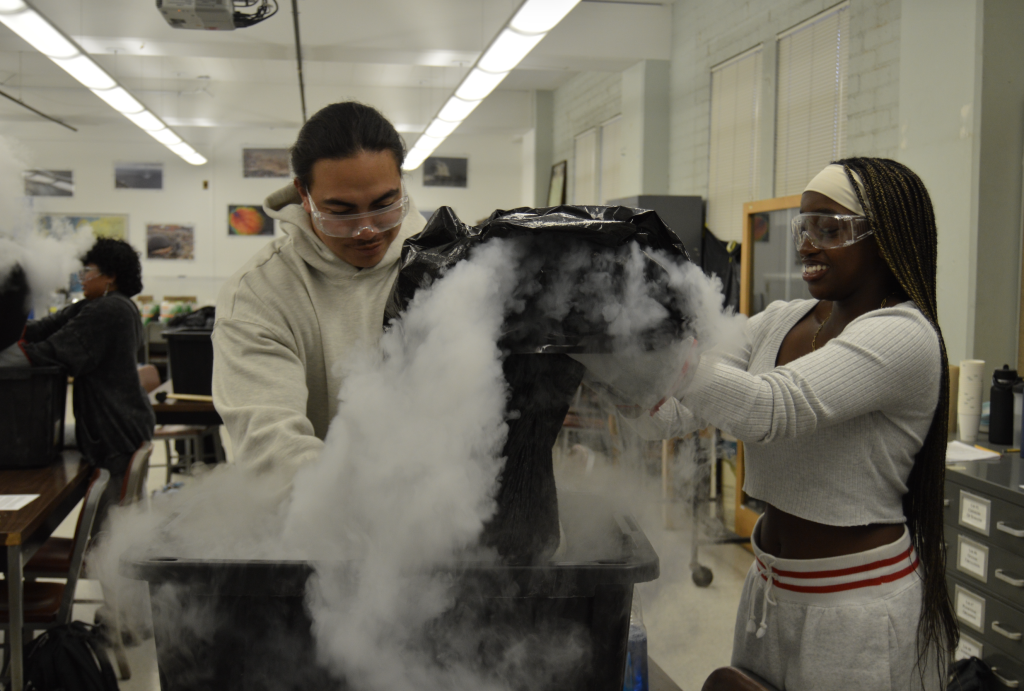
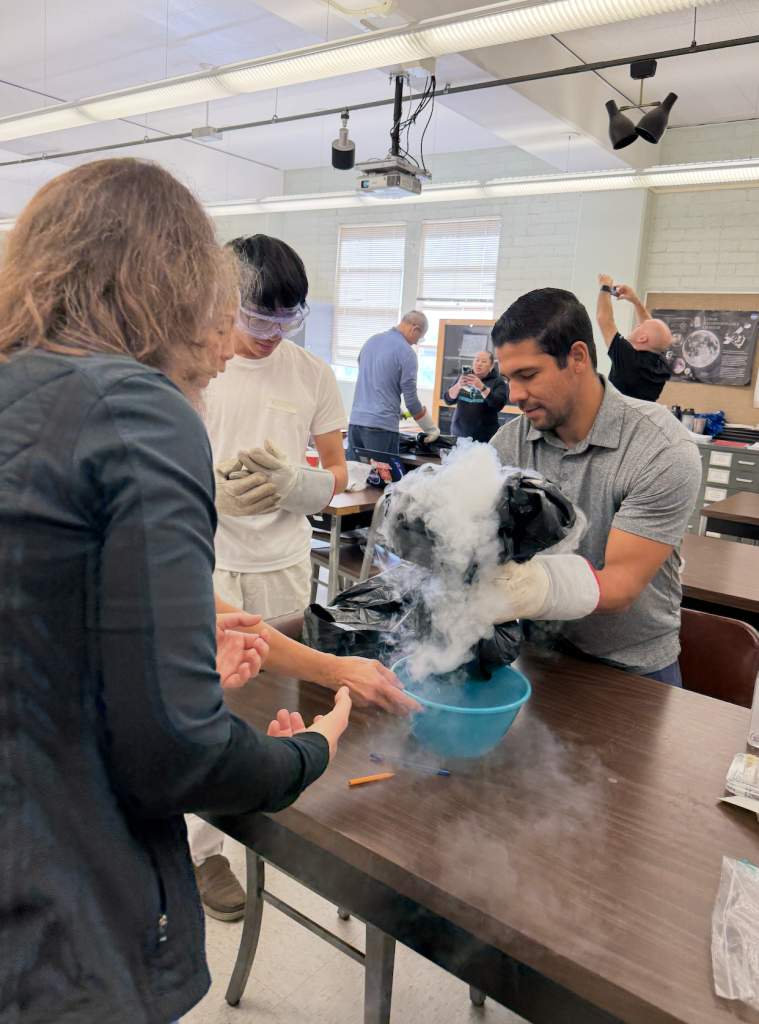
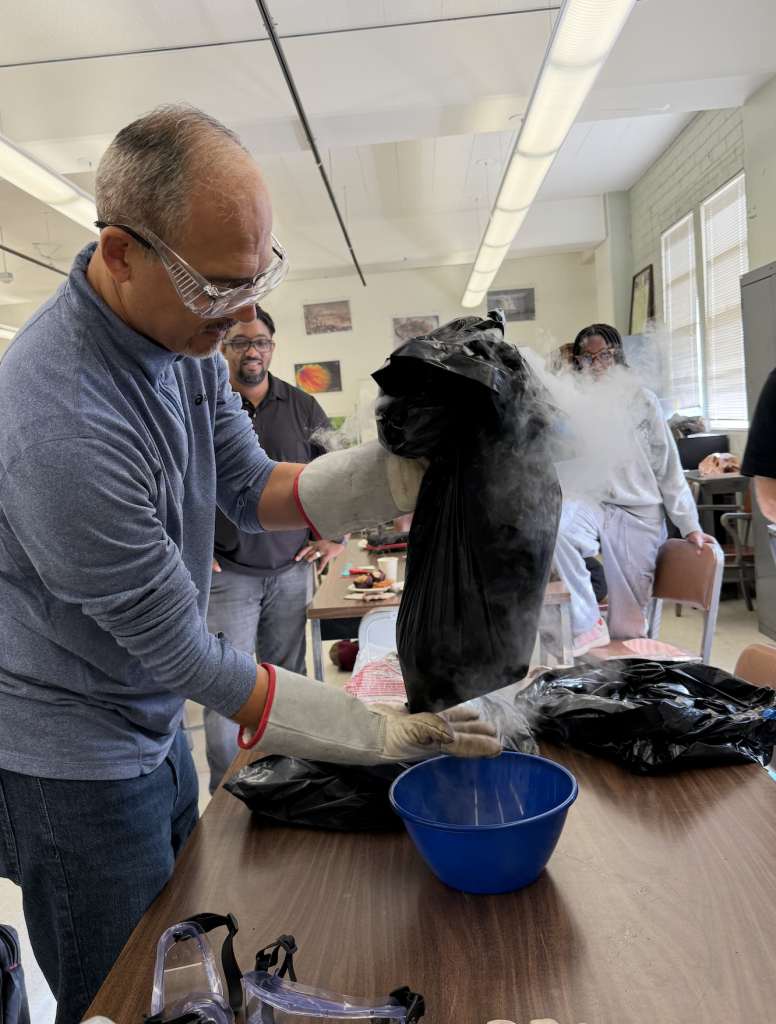
Amy Mainzer (front, left) demonstrating how to mix the “Build-Your-Own Comet” ingredients in plastic bags. Sublimating dry ice escaping from the bag as 3rd-grade teacher, Odessa Buen, (front, right) is mixing the ingredients.
We started out the day with an introduction to the team and with a impactful visual of the Chelyabinsk fireball (see dash cam video here) that fell through the sky in Russia in 2013. We dove right into think-pair-share activities to discuss the impact and come up with questions that through a Learner Lens seem relevant to our every day lives. For example, how would you feel if you saw this on your commute to work? What is the fireball made out of? How much damage did it cause?
Then, during lectures and guided activities, we switched point of view to a Teacher Lens. We discussed how these questions might come up in the classroom and how we can support our students better understand these topics.
We incorporated affordable, accessible, and interactive demonstrations that would be easy to replicate in the classroom.
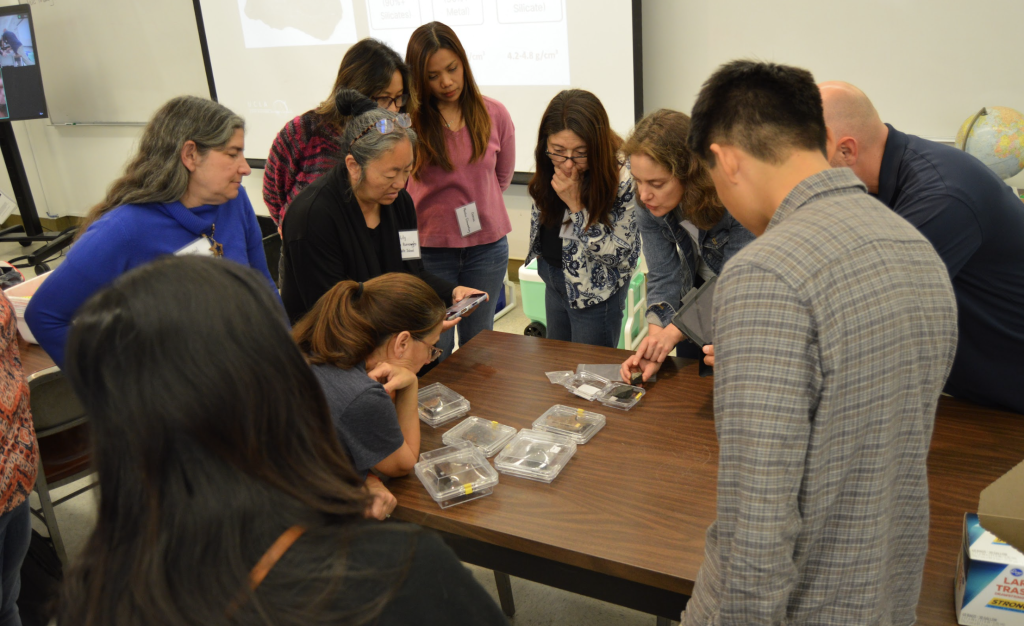
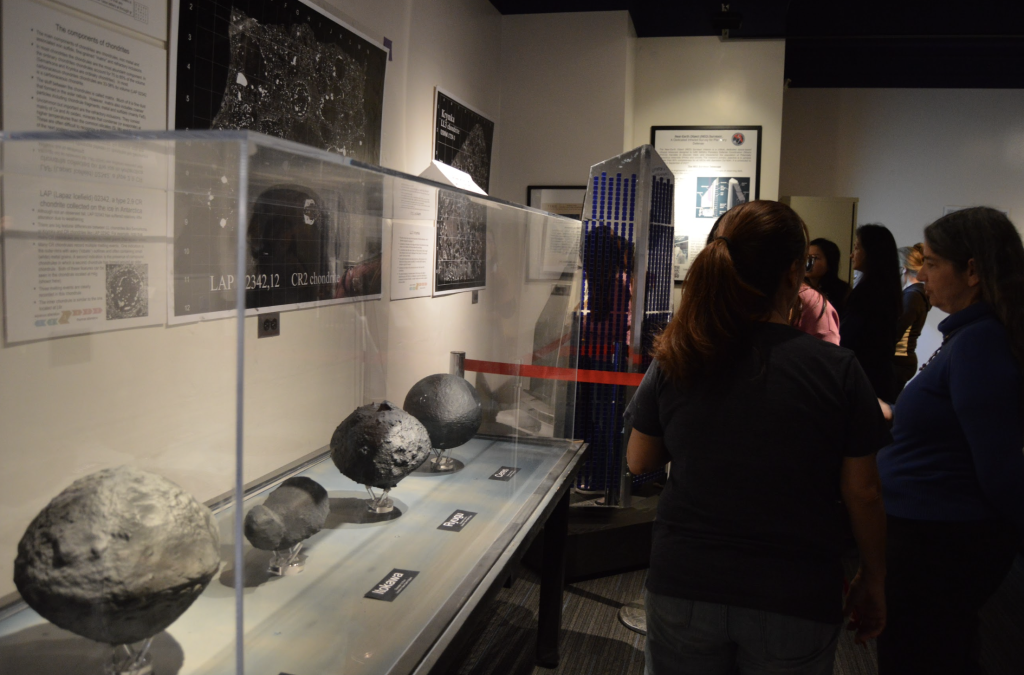
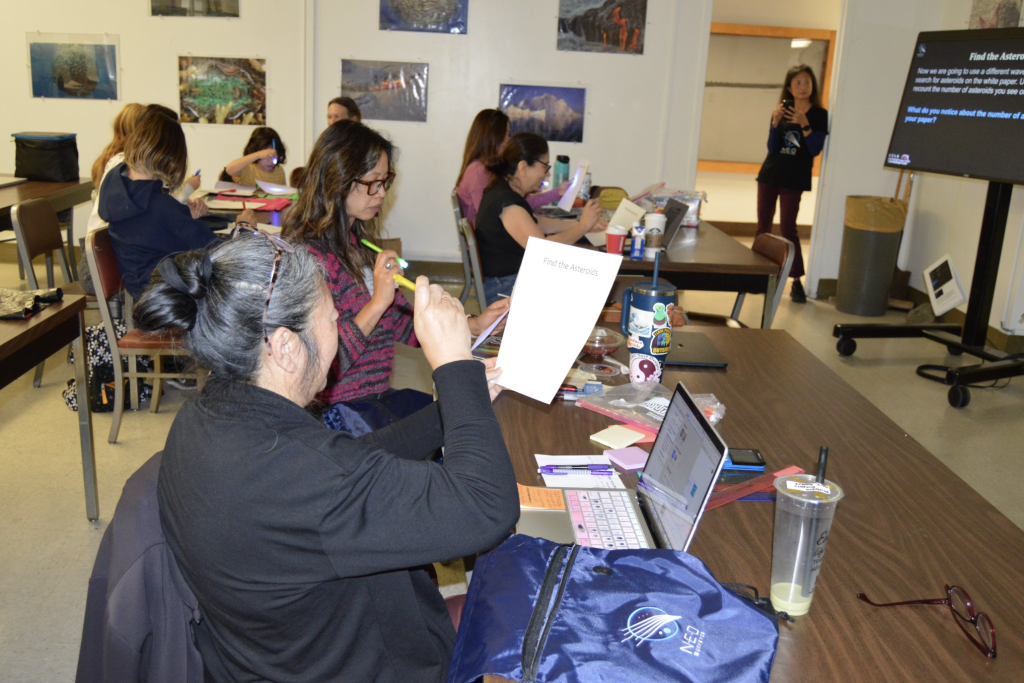
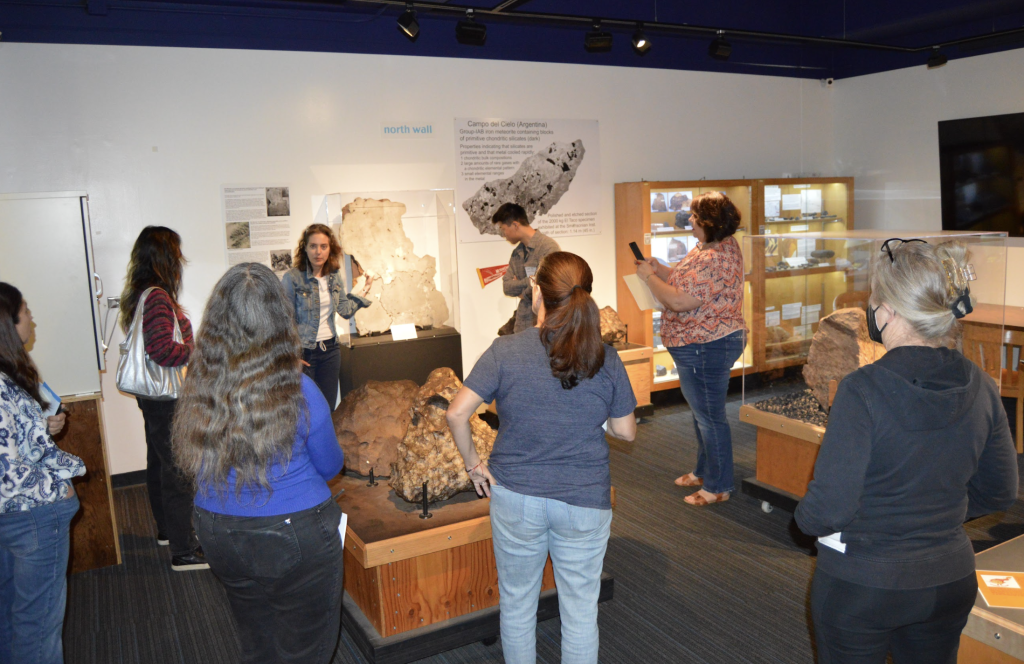
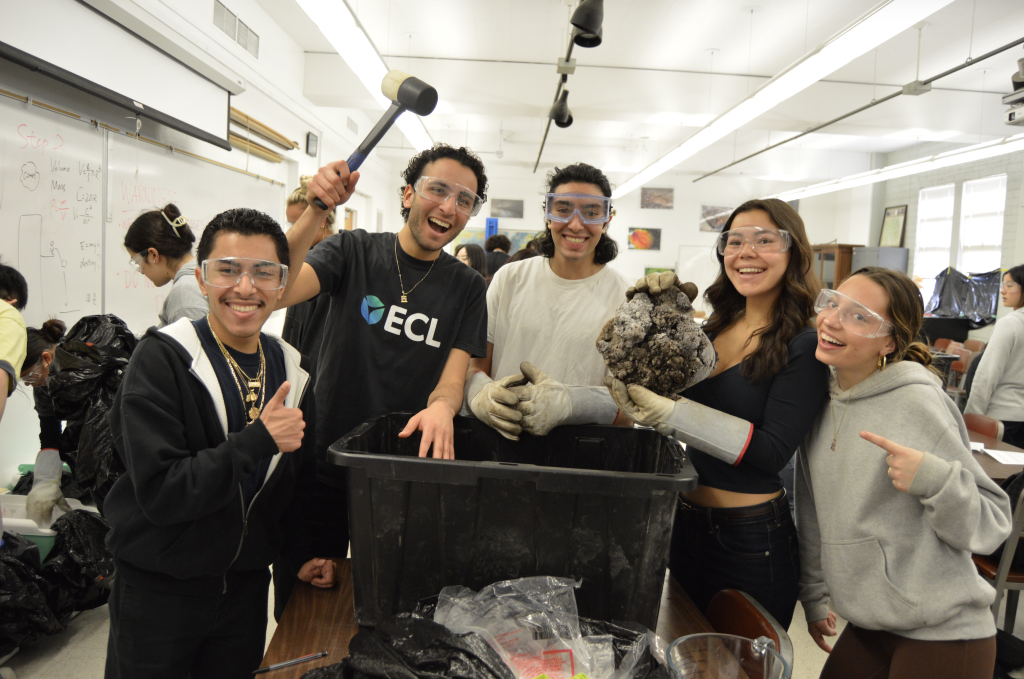
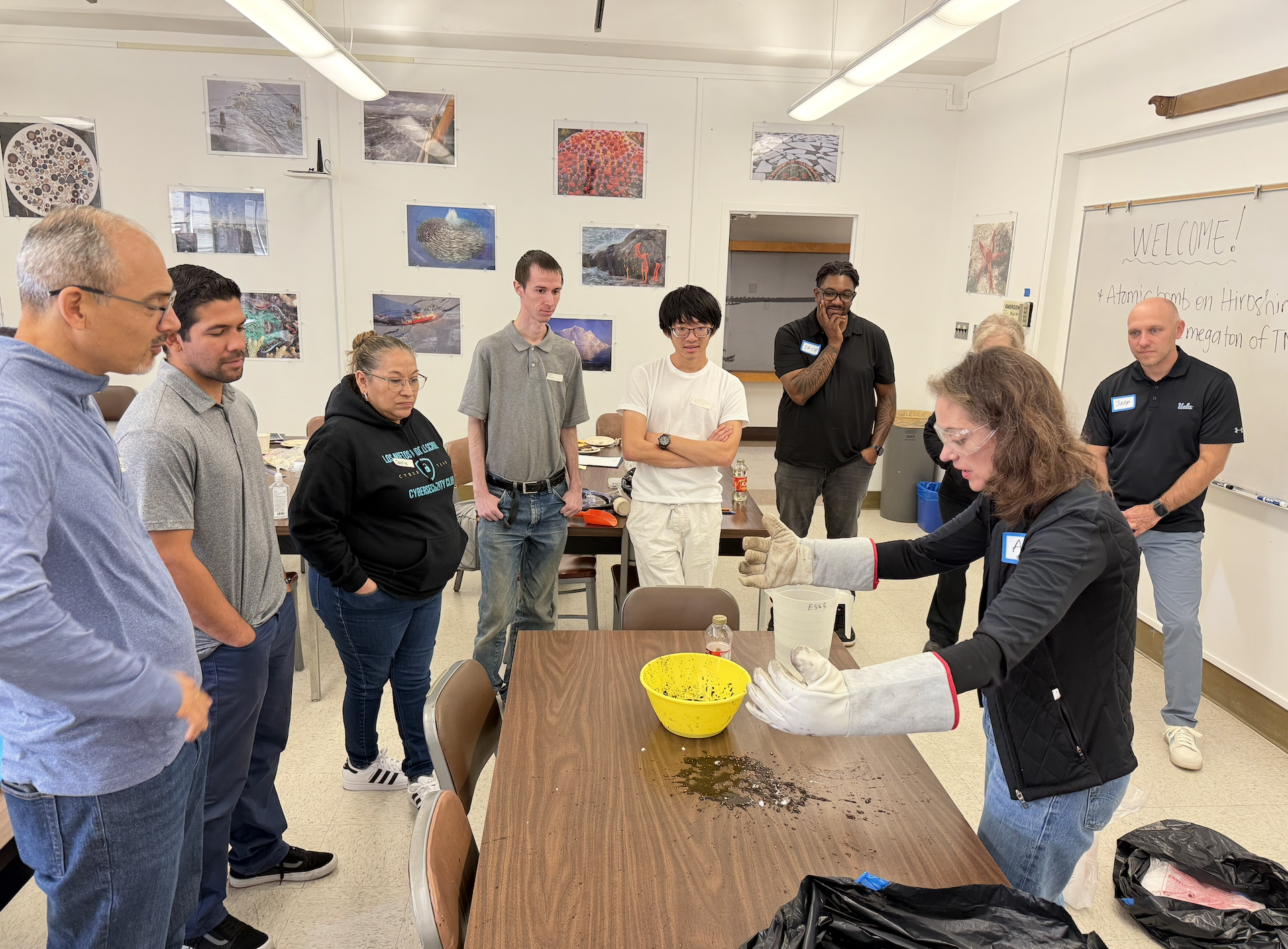
Photo Captions. Top-Left: Educators learning how to “Build-Your-Own Comet” by putting key ingredients in a bag and mixing them together. Top-Center: Getting to hold real meteorites and learning how to distinguish the different types of meteorites. Top-Right: Trip to the UCLA Meteorite Gallery to explore the largest meteorite collection on the West Coast – this is a case with 3-D printed asteroids. Bottom-Left: “Find the Asteroids” activity while exploring the electromagnetic spectrum. Bottom-Center: Dr. Amy Mainzer giving everyone some fun facts about the asteroids/meteorites. Bottom-Right: Mess-proof Cratering demonstration (container inside a large bin to contain ejecta).
Educator comments about the workshop:
Thank you very much for allowing us to explore and “play” with ways to model comets and asteroid impacts!
It is so refreshing and humbling to know that there is so much more I need to learn, and that today’s learning is just a part of it. I had fun. Thank you!
Overall, I thought this workshop was really informative. It would be amazing to reach more teachers. This is important work and I think super important to forge relations with our K-12 and local universities. I hope to continue to stay connected!!
I really appreciated the enthusiasm and passion for the material and subject matter being covered. It was well executed!
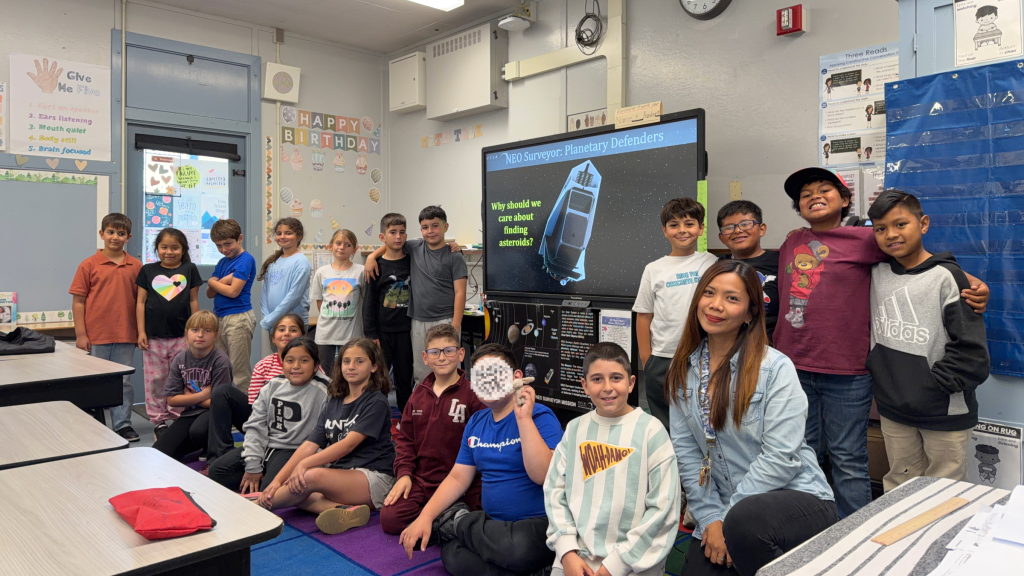
Classroom Highlight: Jr. Planetary Defenders in Ms. Buen’s 3rd-Grade Class!
Amazing Jr. Planetary Defenders learning about planetary science in the classroom after their teacher, Ms. Buen, attended our teacher-training workshop in April 2026.
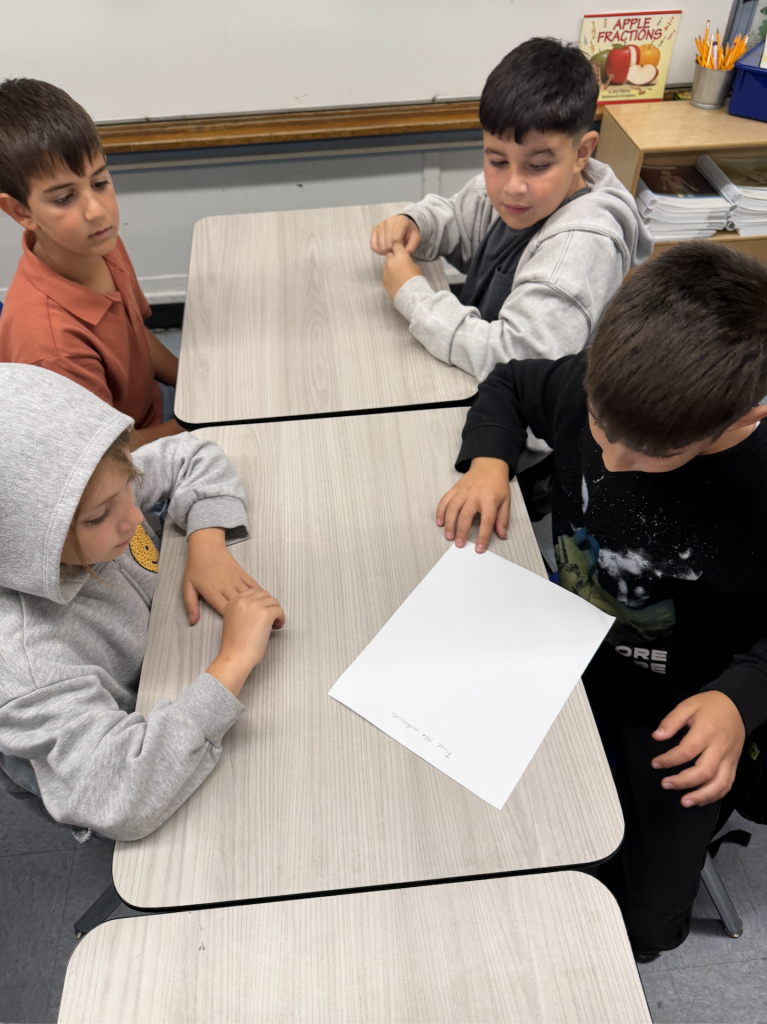
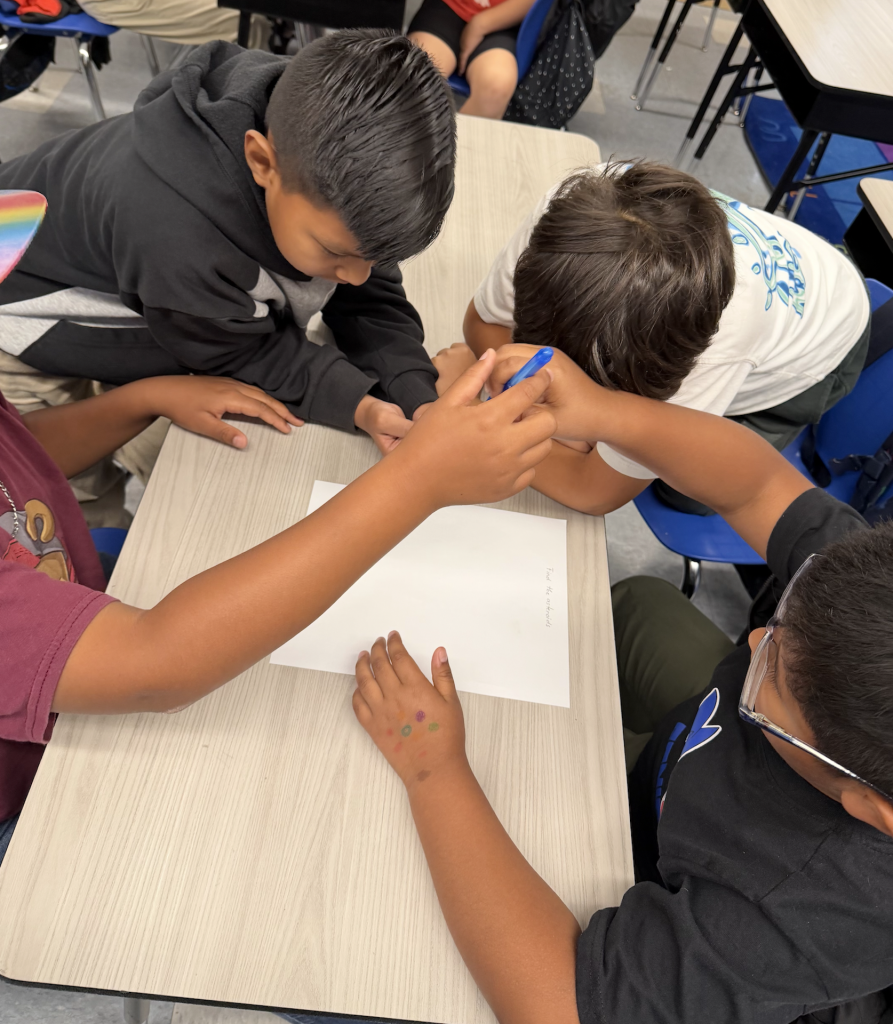
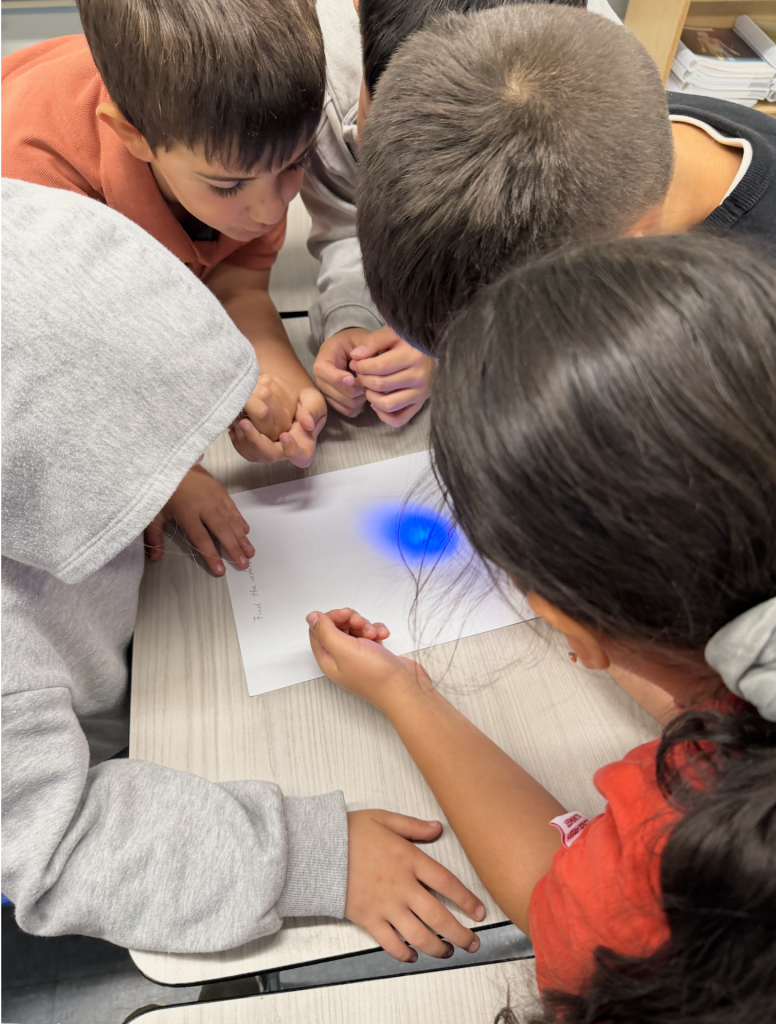
Soon after our April workshop, Ms. Buen hit a home run bringing her workshop inspiration back to Room 4! She designed her own “Find the Asteroid” activity using UV light pens to reveal four hidden asteroids per page. Her students—including nine English Language Learner students who were beautifully engaged and actively sharing thoughts—became fiercely competitive and wonderfully puzzled trying to guess the hidden asteroids.
Jr. Planetary Defenders trying to “Find the Asteroids”
Jr. Planetary Defenders after they are given an “instrument” to find the asteroids.
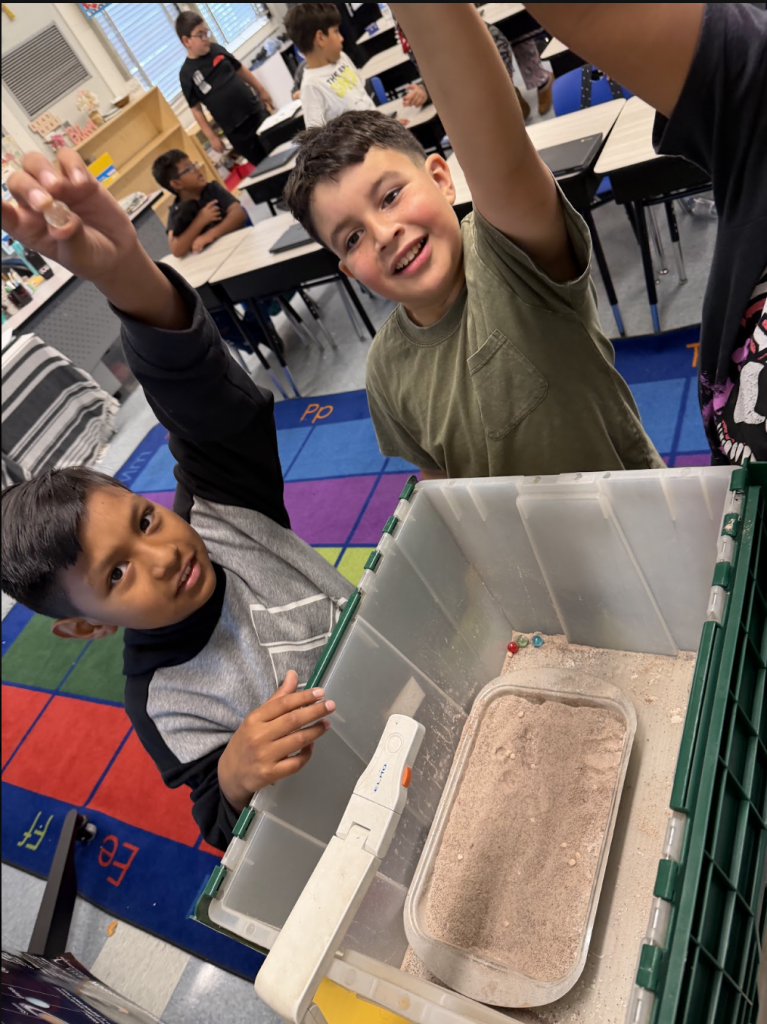
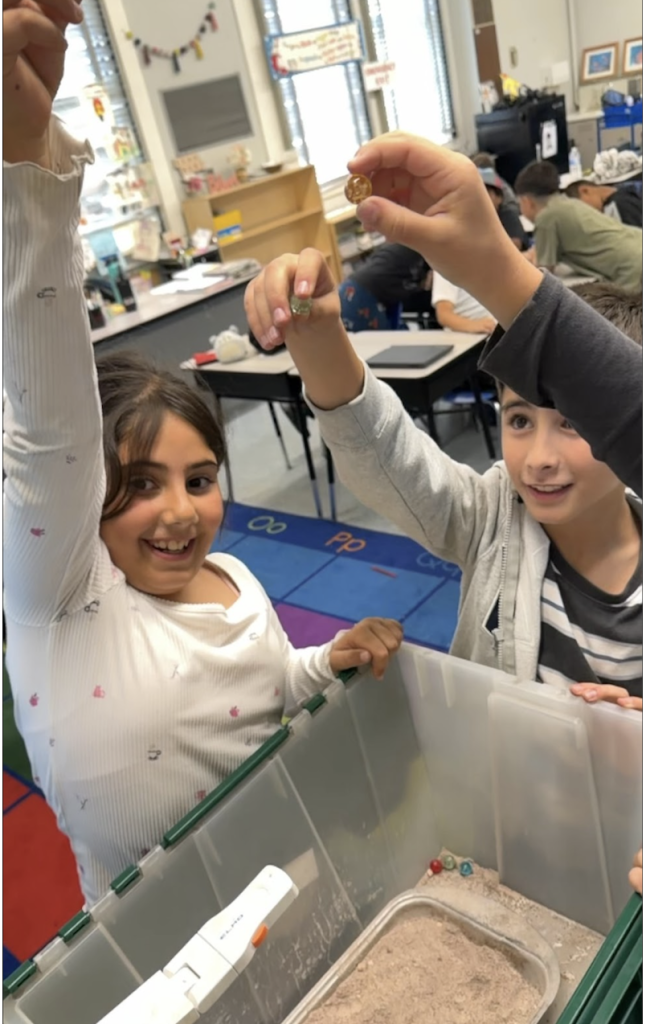
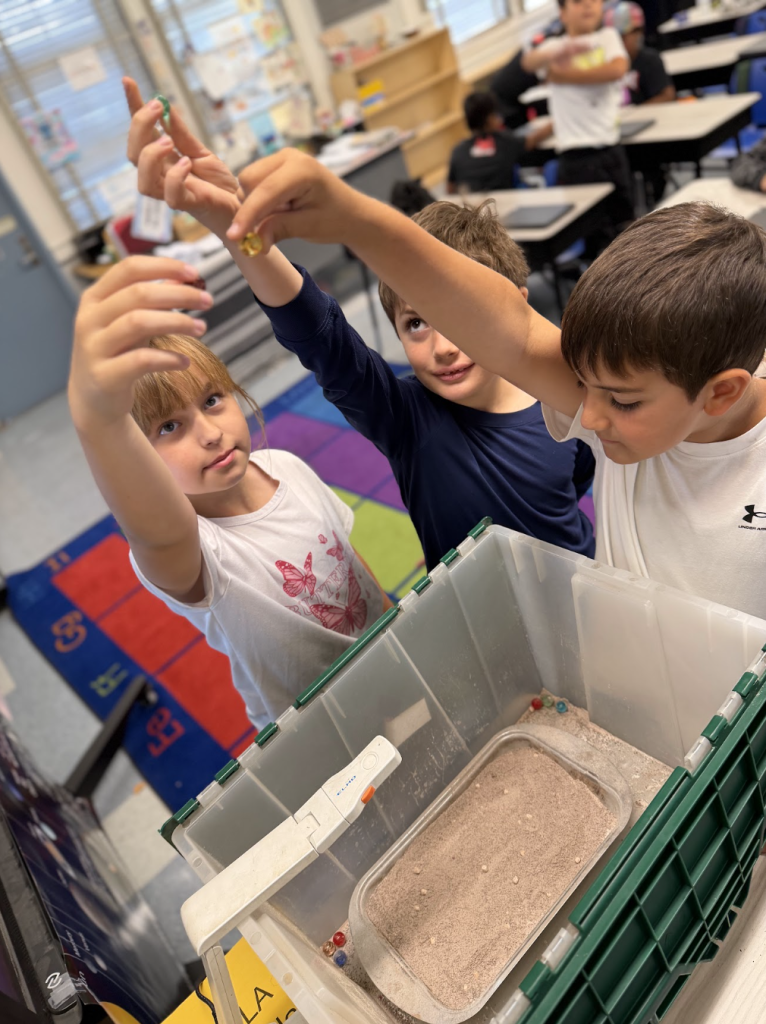
The excitement continued with a multi-sensory Crater Demo. Instead of paint powder, she used a mix of flour, cocoa powder, and ground coffee, making the room smell exactly like a cozy café. Using a mix of real rocks and glow-in-the-dark marbles as impactors, the kids were completely hooked. The memorable day wrapped up with a high-stakes magic pen raffle and a colorful marble keepsake for every single student.
Jr. Planetary Defenders excited to drop marbles/objects during the Crater Demo and being curious about what happens!
“Ms. Buen, when the asteroid hits, why do the people get injured if they’re so far away from the asteroid?”
“Why did you all (Amy, Bonnie, Selmer, Valeria) choose to be scientists?”
“I want to ask Ms. Bonnie how many asteroids she’s researched and how she researches them?”
“Dear Miss Amy, how did you start your career? Do you like being a scientist and investigating things that are planetary? Do you like your job? Do you like how people talk to you? And do you like being a Principal Investigator?”
-Jr. Planetary Defenders (3rd grade)
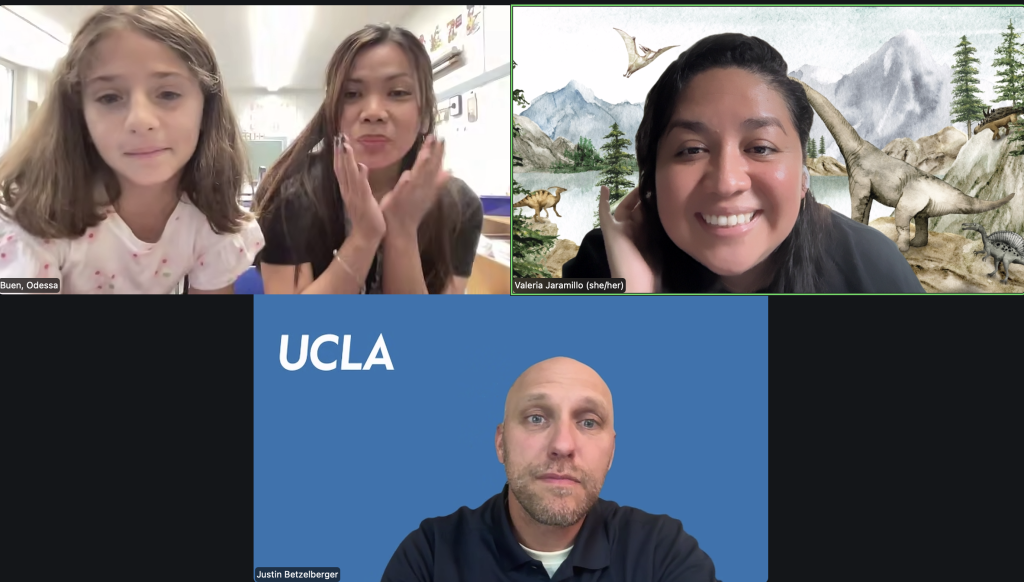
To answer all of the student’s burning questions, Valeria and Justin joined a Zoom meeting with the classroom! It was so much fun to see first-hand the excitement in Ms. Buen’s classroom and all the interesting questions that the students came up with about asteroids, dinosaurs, and more!!!
We are passionate about making science accessible to everyone and inspiring the next generation of scientists. This is why we do this!
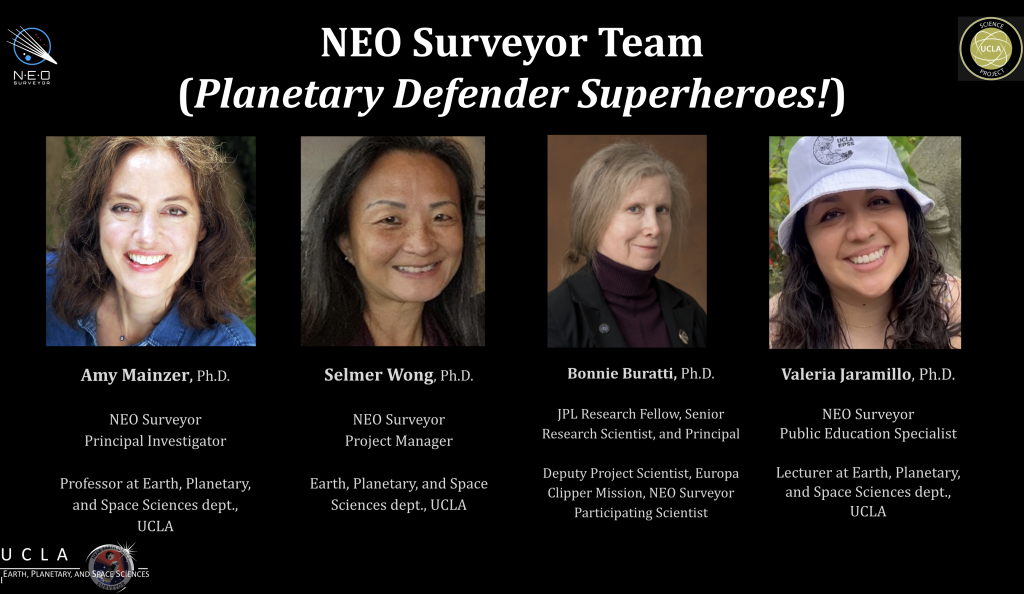
Meet the brilliant minds behind our mission!
Our amazing team consists of active scientists and educators who don’t just push the boundaries of space exploration—they absolutely love sharing the thrill of discovery with the world. From tracking near-Earth asteroids to developing innovative classroom tools, our leadership team brings authentic, front-line NASA science straight to educators and the public.
Get to know the brilliant experts leading the way:
Dr. Amy Mainzer – World-Renowned Planetary Scientist and Principal Investigator(P.I.) – Amy is a leading expert in infrared astronomy and minor planet detection. As the P.I. for NASA’s Near-Earth Object Surveyor (NEO Surveyor) mission her passion for planetary defense is matched only by her dedication to public science communication, helping audiences of all ages understand how we protect our home planet.
Dr. Bonnie J. Buratti – Distinguished Senior Research Scientist at NASA’s Jet Propulsion Laboratory (JPL) -Bonnie specializes in the chaotic and beautiful surfaces of asteroids, comets, and icy moons. She has served on monumental NASA missions, including Voyager, Cassini, and New Horizons. Bonnie brings a wealth of deep-space exploration experience to our team and is a fierce advocate for making complex planetary geology accessible and exciting to the public.
Dr. Selmer Wong – Project Manager – Selmer is the organizational backbone of our mission, keeping our complex scientific and educational initiatives running smoothly. With a deep background in physics and extensive experience managing high-level academic and space-science projects, she excels at turning ambitious scientific goals into organized, impactful realities.
Dr. Valeria Jaramillo – Public Education Specialist – Valeria bridges the gap between the lab and the classroom. As the public education specialist, she is dedicated to creating inclusive, scaffolded STEM curricula that empower K-12 teachers. Her expertise ensures that cutting-edge planetary data is translated into hands-on, standards-aligned activities that inspire the next generation of earth and space scientists.
Together, this powerhouse team is working hard to bring the universe a little closer to local classrooms.
In the wise words of our P.I. Dr. Amy Mainzer:
“If you want to be a scientist, all you have to do is keep asking questions.”
Stay tuned for future workshops! Feel free to email Dr. Valeria Jaramillo at jaramillov29g.ucla.edu if you have any questions!
Follow us on Instagram @neosurveyormission
Spring 2026 Teacher-Training Workshop – Virtual Option Available!
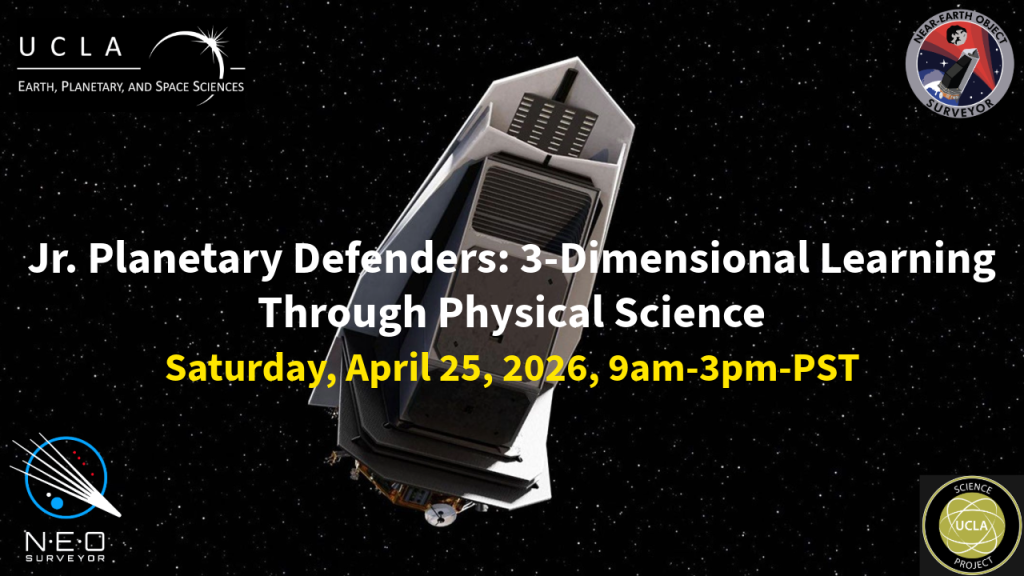
We would like to welcome teachers and educators from the greater Los Angeles area (and now all of the U.S.) to our Spring 2026 Jr. Planetary Defenders: 3-Dimensional Learning Through Physical Science teacher-training workshop. This workshop bridges the gap between theoretical concepts and the NASA Near-Earth Object (NEO) Surveyor Mission in collaboration with UCLA Center X to demystify asteroids, comets, and highlight the importance of planetary defense through three-dimensional, hands-on learning experiences.
Empower your students to become the next generation of planetary scientists and defenders!
Discover how to use inquiry, modeling and experiential learning, like our popular “Build-a-Comet” lab, to make complex geoscience concepts memorable, meaningful, and genuinely exciting for every student in your class.
The cratering demo builds on students’ prior knowledge of density, sedimentary rock layering, and impacts and combines it with visuals to highlight how a crater is formed and how the ejecta exposes older rock layers hidden underground.
Learn from real scientists who are passionate about planetary science, planetary defense, geology, and STEM but are also wanting to learn how we can better serve you as an educator.
We welcome all educators interested in bringing hands-on planetary science activities into their classroom.
Submit this Google interest form to receive updates for our Spring Workshop on Saturday, April 25, 2026 from 9am-3pm. Total cost to attend is NOW FREE with posters, stickers, mugs, and more available to those that attend in-person!
Light breakfast, refreshments, and classroom resources will be provided!
The Mission Continues in the Classroom
We invest in these workshops because training educators is the most effective way to strengthen the STEM pipeline. Every teacher who attends becomes a vital partner in our mission, capable of inspiring dozens of future scientists who may one day use the very data collected by NEO Surveyor!
Jr. Planetary Defenders Teacher-Training Program: Middle School Educators Dive into Planetary Defense
STEM outreach has been at the forefront for EPSS this November!
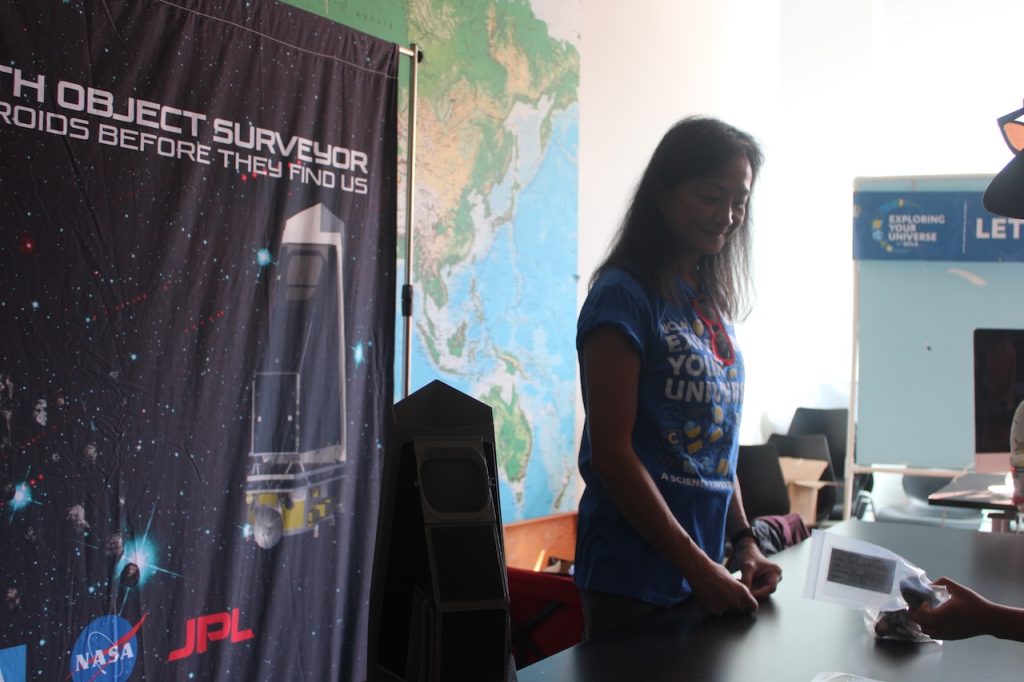
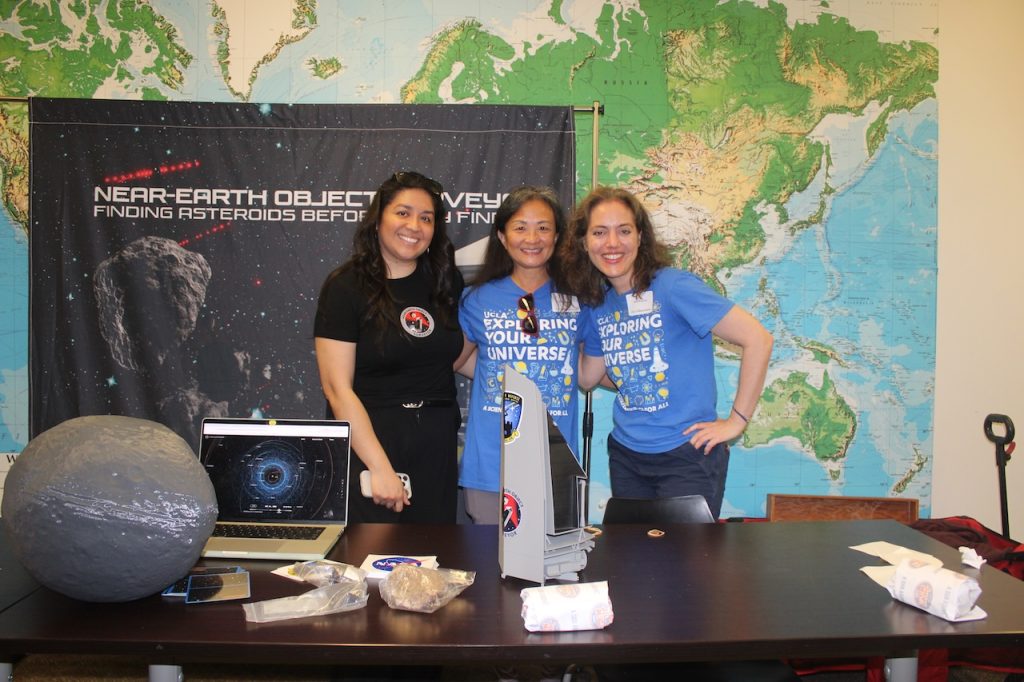
On Sunday, November 2nd, NEO Surveyor hosted the “Find Asteroids Before They Find Us” booth at Exploring Your Universe – the largest annual STEM outreach event in Los Angeles – where UCLA welcomed over 11,000 visitors. We explored asteroids and how to find them using an infrared telescope.
Jr. Planetary Defenders Teacher-Training Workshop
On Saturday, November 8th, a dynamic group of middle school science educators gathered for an intensive, hands-on NEO Surveyor Teacher-Training Workshop! The goal? To arm these incredible teachers with the cutting-edge content, resources, and confidence needed to bring the excitement of space exploration and Planetary Defense directly into their classrooms.
We know that to truly inspire the next generation of scientists and engineers, teachers need more than just textbooks—they need to feel empowered. This workshop delivered exactly that, turning educators into active participants in the mission.
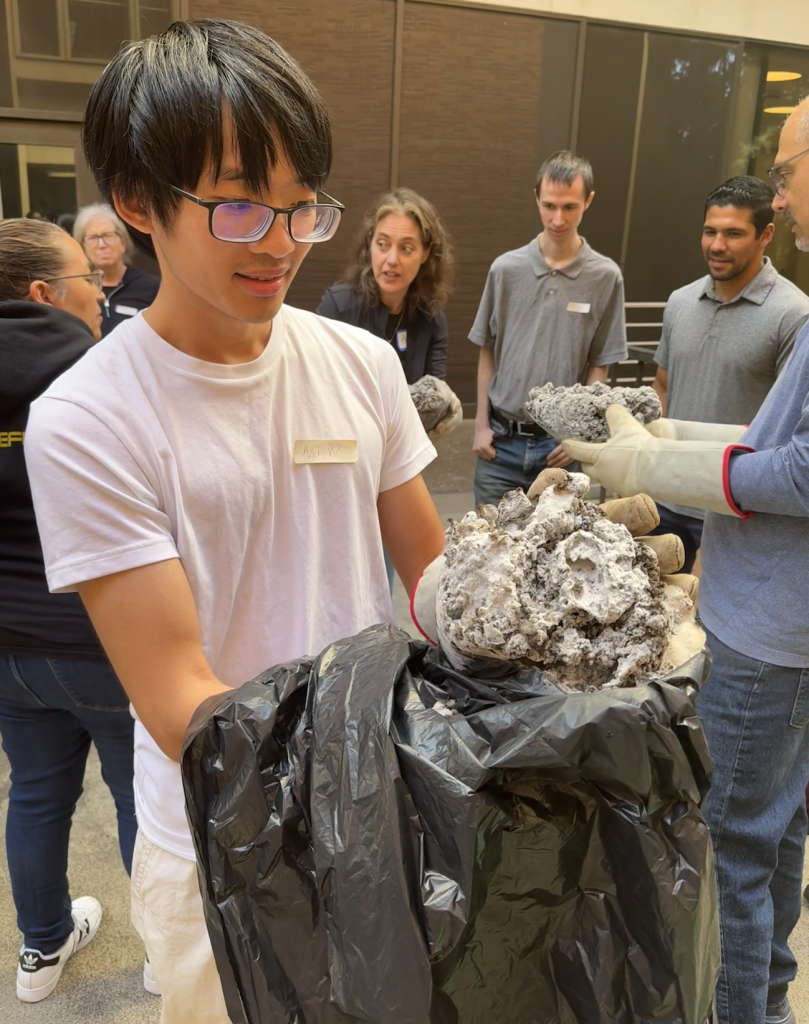
Dr. Amy Mainzer (NEO Surveyor P.I.) showing us how to Build-Your-Own Comet.
The core of the training focused on translating complex planetary science concepts into fun, inquiry-based activities aligned with Science and Engineering Practices.
The highlights of the day included:
☄️ Building a Comet:
Using dry ice and common materials, teachers physically constructed and analyzed their own model comets. This hands-on activity transformed an abstract concept—icy “dirty snowballs” from the outer Solar System—into a tangible experience.
☄️ Exploring Asteroids and Meteorites:
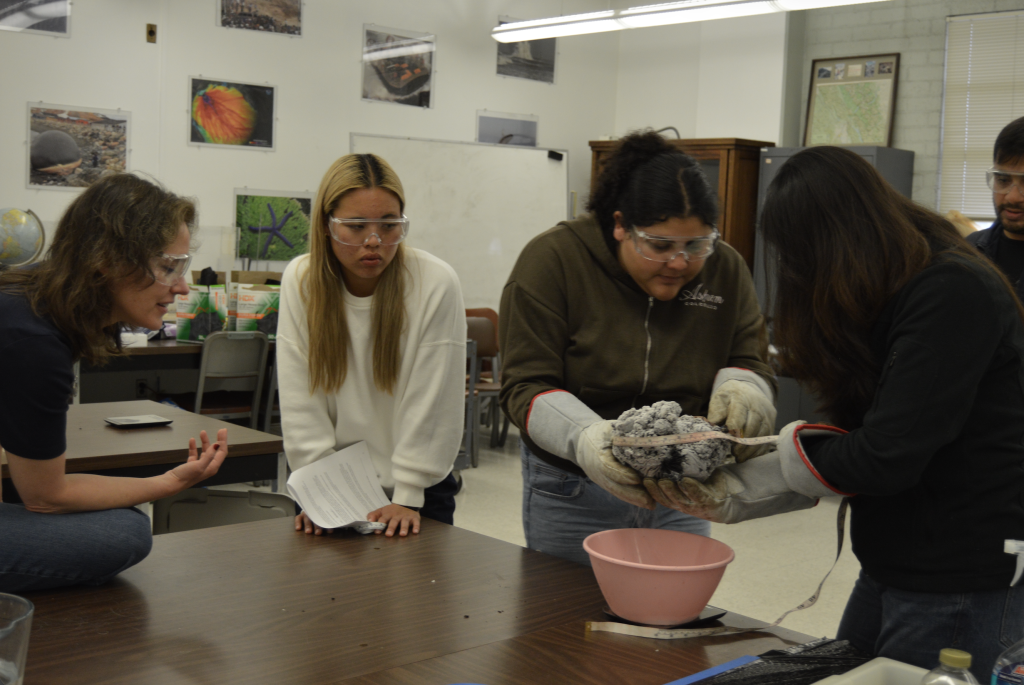
Participants got up close and personal with real-world samples, examining the composition and structure of actual meteorites. This reinforced the importance of missions like NEO Surveyor, which uses infrared (heat) vision to detect and track these cosmic neighbors that glow with the Sun’s heat.
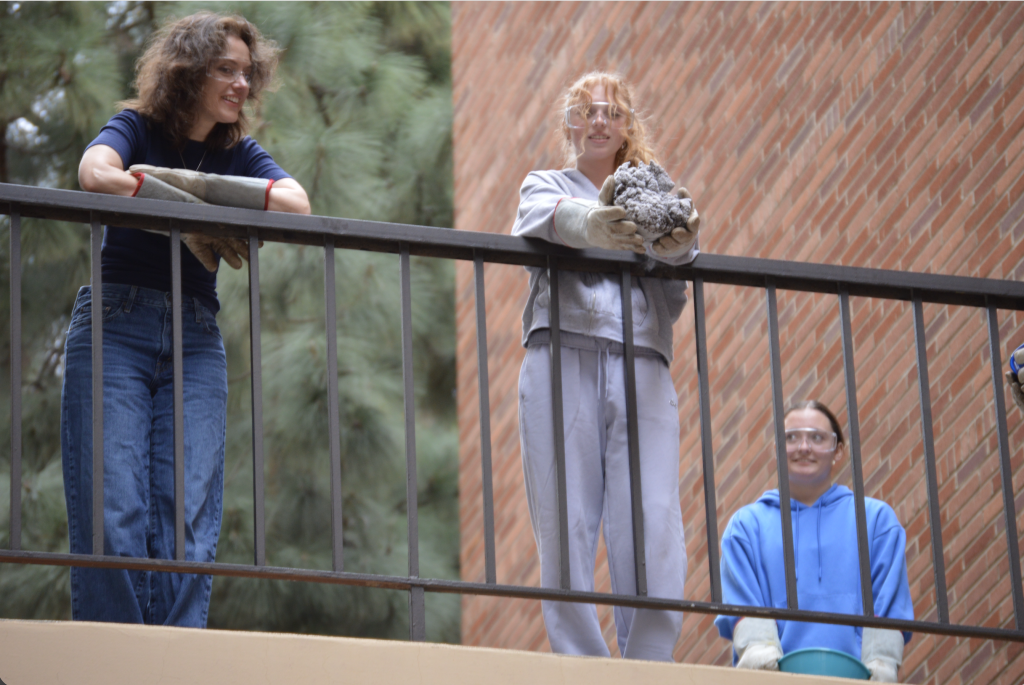
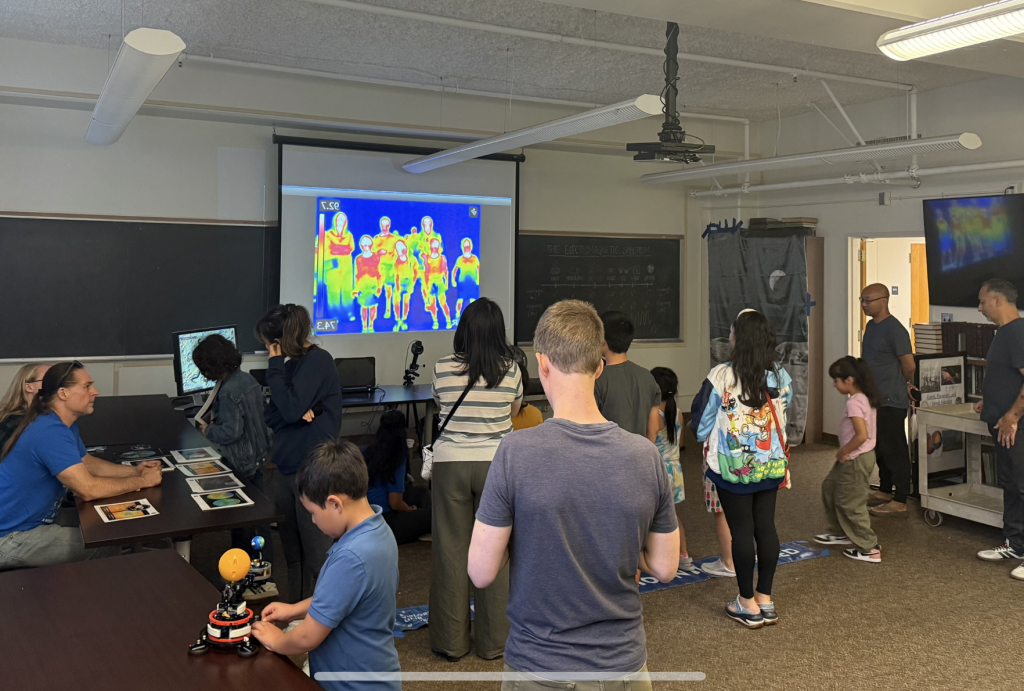
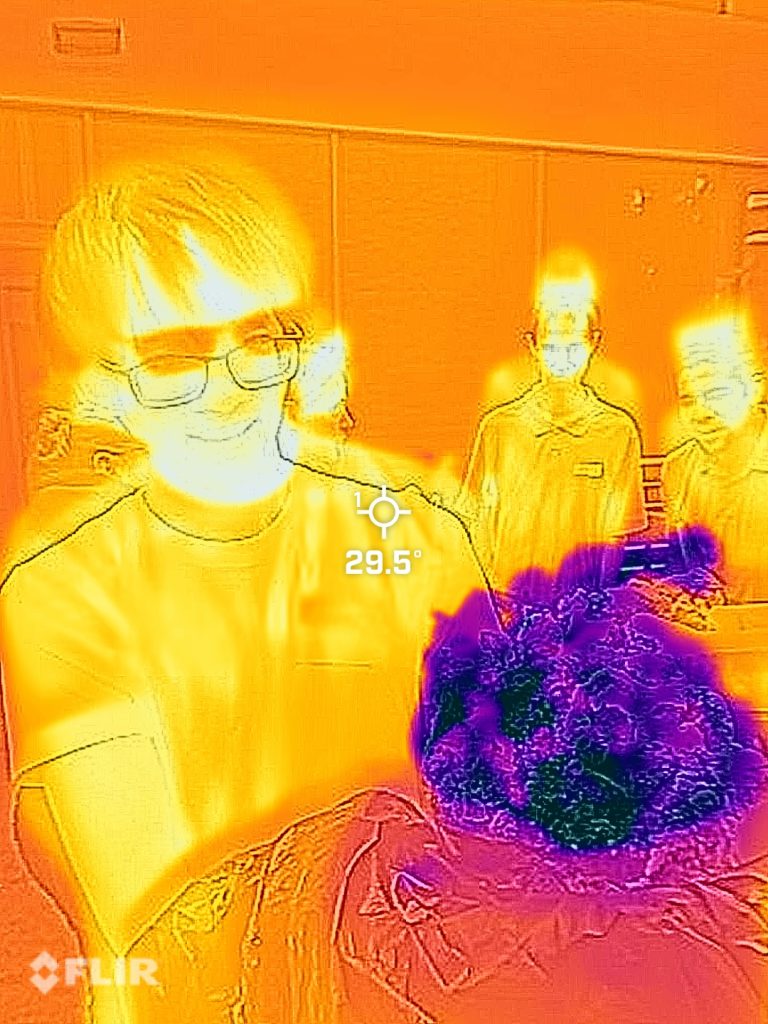
Dropping our DIY Comets off the 3rd floor of the Geology Building. Video recorded using Forward Looking Infrared Camera. White and red colors represent warmer objects, purple and blue colors represent cooler objects.
Building Confidence and Community
Beyond the exciting activities, the workshop was a fantastic opportunity for teachers to connect and collaborate. This learning community is vital for strengthening teaching skills across teachers and professionals.
The Mission Continues in the Classroom
We invest in these workshops because training educators is the most effective way to strengthen the STEM pipeline. Every teacher who attended is now a vital partner in our mission, capable of inspiring dozens of future scientists who may one day use the very data collected by NEO Surveyor.
A huge thank you to every educator who joined us. The enthusiasm, collaboration, and dedication you showed was truly incredible, and we can’t wait to see the amazing things your students do this year!
“Large amount of potential activities and relevant science to pull from”
“I really appreciated getting to hear from experts about what they’re working on. I also really appreciated the hands on activities that we did that I can take back to my classroom.”
“Switching from the teacher to student hat and back reminded me of how I need to support my students as they are learning.”
Ready to bring Planetary Defense into your classroom?